Expert Insights The Future of AI Personal Assistant Scheduling
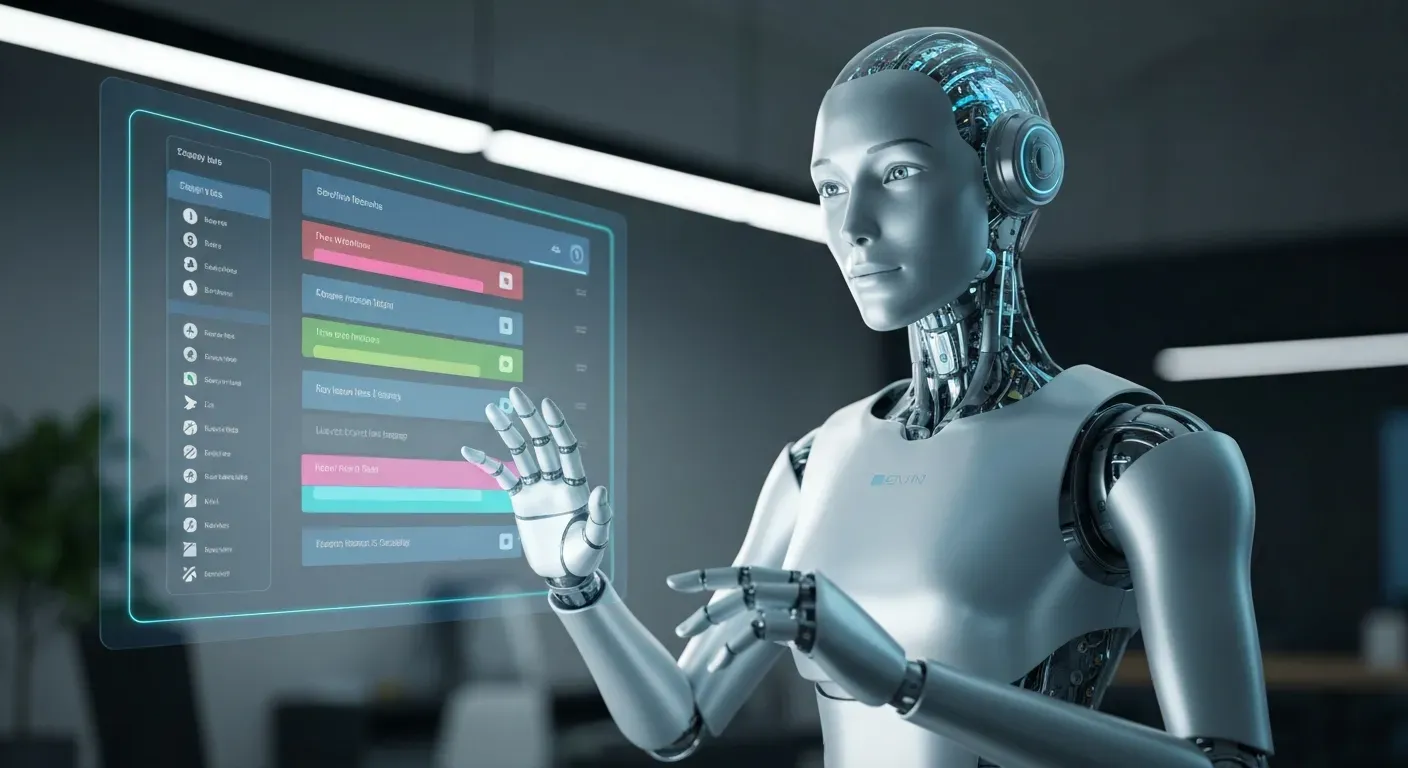
Imagine waking up to a calendar that manages itself, perfectly balancing your meetings and deep work sessions without you lifting a finger. In the hyper-connected professional world of 2026, time has become your most valuable currency, yet managing it efficiently remains a constant struggle. Instead of drowning in endless email threads to find a meeting slot, there is a smarter way to reclaim your day.
Artificial intelligence has evolved from a simple novelty into an essential tool for navigating modern business demands. By leveraging advanced ai personal assistant scheduling, you can automate mundane administrative tasks and focus entirely on high-impact strategies. This technology is not just about saving minutes; it is about fundamentally reshaping how you approach your daily workflow and operational efficiency.
This article dives deep into the revolutionary capabilities of these virtual aides and how they are transforming business operations. We will explore core functionalities, compare leading solutions, and predict the future impact of automated time management on your career. Get ready to discover how the next generation of scheduling tools can elevate your productivity to unprecedented heights.
The Rise of AI Personal Assistant Scheduling in 2026
In 2026, ai personal assistant scheduling tools operate as advanced automation engines. These systems utilize natural language processing (NLP) and machine learning (ML) to interpret user preferences directly. They process calendar data to streamline appointment setting without manual oversight.
Virtual assistant scheduling removes the need for constant input, creating a fluid planning environment for professionals.
Understanding AI Scheduling Assistants
Modern assistants analyze communication patterns to predict scheduling needs. Instead of simple command-response interactions, these tools proactively manage availability. They scan emails and chat logs to identify meeting requests.
The software then cross-references these requests with existing commitments. This process ensures accurate time allocation and eliminates double-booking errors.
Key Features Driving Productivity
Core functionalities in 2026 focus on total cross-platform synchronization. Tools integrate with Google Calendar and Outlook simultaneously to maintain a unified schedule. They provide intelligent suggestions for meeting times based on participant time zones and work habits.
Automated reminders prevent missed engagements, while conflict resolution algorithms propose alternative slots immediately.
| Feature | Standard Scheduling | AI Scheduling (2026) |
|---|---|---|
| Conflict Handling | User manually resolves | System auto-resolves conflicts |
| Integration | Single platform focus | Multi-platform (Google/Outlook) |
| Time Selection | User guesses availability | ML suggests optimal times |
The Impact of AI on Time Management
The primary advantage involves reclaiming work hours. Professionals offload tedious planning tasks to the AI to reduce administrative burdens. This shift allows a focus on strategic objectives rather than logistics.
Reducing the mental overhead of scheduling improves workflow automation significantly. Teams experience fewer interruptions and maintain higher focus levels throughout the workday.
Top 5 AI Scheduling Assistants Revolutionizing 2026
Time management tools evolved significantly by 2026. Professionals no longer manually organize calendars. Instead, they rely on automation to handle logistics.
The right ai personal assistant scheduling tool saves hours every week. These tools handle complex coordination, task prioritization, and lifestyle management. Here are the top five assistants defining productivity this year.
1. Ohai.ai
Ohai.ai serves as a comprehensive suite for personal and professional coordination. It excels in cross-platform calendar syncing across different providers. The system uses natural language processing to interpret user requests.
You type a command, and the AI organizes the slot immediately. It goes beyond standard meetings. Ohai.ai includes collaboration tools for teams.
Unique features like meal planning position it as a holistic management tool. Users manage work deadlines and dinner prep within a single interface. This integration removes the need for multiple disparate apps.
2. Motion
Motion targets professionals specifically. It automatically schedules tasks and work blocks around existing meetings. The algorithm ensures you meet priorities efficiently.
If a meeting runs late, Motion reshuffles the day's remaining tasks instantly. This dynamic adjustment keeps projects on track. Integration with calendars allows for proactive workload management.
This automation reduces planning stress. Users focus on execution rather than organization. The system protects deep work time by grouping meetings together.
3. Calendly
Calendly remains vital for managing external appointments in 2026. While others focus on internal tasks, Calendly simplifies coordination with clients or vendors. Users generate personalized links.
These links allow external parties to book directly into the calendar based on real-time availability.
"Calendly's 2026 capabilities in managing external appointments are vital."
This direct booking method eliminates email threads. It respects user-defined boundaries and buffer times. The platform integrates with video conferencing tools to generate meeting links automatically upon booking.
4. x.ai
x.ai functions as an autonomous agent in 2026. It automates meeting bookings by learning specific user preferences. The system handles the typical email back-and-forth negotiation.
It adapts to individual scheduling habits over time. This adaptive nature differentiates it from static booking links. The AI understands context and prioritizes requests based on user history.
It negotiates times with participants without requiring direct user intervention.
| Assistant | Primary Focus | Key Feature 2026 |
|---|---|---|
| Ohai.ai | Holistic Management | Meal planning & cross-platform sync |
| Motion | Task & Workload | Auto-scheduling around meetings |
| Calendly | External Booking | Personalized direct booking links |
| x.ai | Autonomous Negotiation | Preference-based learning |
5. AI-Powered Personal Assistants (General)
This broader category performs diverse tasks beyond simple scheduling. These assistants leverage voice commands and machine learning. They offer sophisticated calendar optimization and proactive decision-making.
The software anticipates conflicts before they happen. These tools deliver hyper-personalization across platforms. Their capabilities impact sectors like AI marketing and AI in business.
They analyze patterns to suggest optimal meeting times for deal closures. This data-driven approach maximizes operational efficiency. Choosing the right ai personal assistant scheduling tool depends on specific needs.
Some prioritize task management, while others focus on external coordination. Evaluating these 2026 capabilities ensures maximum efficiency. Select the tool that aligns with your daily workflow to reclaim lost time.
Integrating Vemory: Enhancing Meeting Efficiency in 2026
Vemory functions as a primary tool for 2026 business environments. It integrates directly with all major meeting platforms. The system analyzes audio to extract action items automatically.
This eliminates the need for manual transcription. Users access concise summaries immediately upon meeting completion.
Vemory's Core Functionalities
The platform simplifies post-meeting follow-ups. It derives tasks from content and organizes them for immediate use. This capability aids ai personal assistant scheduling workflows by preparing data for calendar tools.
| Function | Standard Recording | Vemory Integration |
|---|---|---|
| Action Extraction | Manual Review | Automatic |
| Language Support | Single | Multilingual |
| Hardware Input | Microphone Only | IoT Voice Recorders |
Seamless Integration and Multilingual Support
Vemory supports IoT hardware including dedicated voice recorders. It secures comprehensive data capture across various formats. The software utilizes automatic multilingual recognition.
Participants speak in their native languages. The system identifies and processes these inputs accurately without manual adjustments.
Boosting Meeting Productivity
Clear summaries boost meeting efficiency significantly. The system ensures users capture key decisions promptly. This automation feeds into broader workflow tools.
Teams act on tasks immediately rather than waiting for manual notes. Workflow automation improves as the software directs data to the correct channels.
The Future Landscape of AI Personal Assistants in 2026
By 2026, artificial intelligence will fundamentally alter how professionals manage daily operations. Tools will evolve from reactive command-followers into proactive agents. This shift relies on advanced algorithms that interpret intent rather than just keywords.
Users will experience a transition from manual data entry to automated strategic oversight.
Predictive Scheduling and Proactive Assistance
Ai personal assistant scheduling will move beyond simple slot filling. Systems will anticipate needs and manage calendars without direct prompts. Algorithms will infer priorities from email traffic and project deadlines to lock in appointments.
"Future assistants will analyze energy levels and workload distribution to propose schedule adjustments."
These tools will suggest specific times for focused work or necessary breaks based on user habits. The software optimizes schedules to minimize decision fatigue. This proactive approach ensures calendars reflect actual priorities rather than just incoming requests.
| Feature | Standard Assistant (2024) | AI Assistant (2026) |
|---|---|---|
| Trigger | User command | Inferred intent |
| Scheduling | Manual input required | Automated priority alignment |
| Context | Single-session memory | Long-term pattern recognition |
Hyper-Personalization and Contextual Awareness
Hyper-personalization will become the standard operation mode. Assistants will analyze individual work styles and communication preferences to tailor every interaction. Systems will detect emotional states through text syntax or voice tone to adjust response styles.
Contextual awareness will span across different platforms and tasks. An assistant will recall details from a messaging app while drafting an email in a separate client. This integration eliminates data silos and reduces the time spent switching between applications.
Ethical Considerations and Responsible Use
As technology advances, ethical considerations regarding data privacy and algorithmic bias remain critical. Developers must ensure these tools enhance human capabilities without compromising user autonomy. Over-reliance on automation poses risks to critical thinking skills if not monitored.
Sectors like healthcare AI and customer relationship management require strict adherence to fairness standards. Responsible development protocols will dictate how these tools operate in sensitive environments. Transparency in data usage ensures users maintain control over their personal information.
FAQ (Frequently Asked Questions)
Q1: How do AI scheduling assistants improve productivity in 2026?
A1: Ai personal assistant scheduling automates calendar management by handling tasks like finding open slots and sending reminders. This removes back-and-forth emails. Professionals utilize this reclaimed time to focus on core strategic tasks rather than logistics.
Q2: What are the key differences between AI scheduling assistants and traditional virtual assistants?
A2: AI assistants use algorithms for instant logic puzzles and deep integration, whereas traditional assistants rely on manual instruction. AI offers 24/7 instant processing and scales to handle unlimited concurrent requests. Traditional support is limited by human working hours and capacity.
Q3: Can AI personal assistants integrate with my existing tools in 2026?
A3: Yes, leading systems connect directly with major platforms like Google Calendar and Outlook. They sync with email clients to ensure seamless workflows. Real-time updates prevent double-booking across the entire organization.
Q4: What are the potential risks of using AI for appointment scheduling?
A4: Risks include data privacy concerns regarding sensitive calendar information. Algorithmic bias may produce unfair scheduling outcomes. Additionally, over-reliance on automation can diminish essential human organizational skills over time.
Q5: How will AI technology impact business operations in 2026?
A5: AI transforms operations by enabling high efficiency through task automation. Companies scale operations without increasing administrative headcount. Data-driven insights from these tools optimize resource allocation effectively across various sectors.
Conclusion
As we navigate the fast-paced professional landscape of 2026, ai personal assistant scheduling has evolved into a critical asset. These advanced tools streamline complex workflows and enhance productivity by removing manual planning friction. Embracing this technology is key to unlocking superior time management.
To transform your daily routine, carefully assess your current scheduling challenges and explore top-tier platforms. Prioritize solutions that offer seamless integration with your existing devices to automate tedious tasks. Making this strategic switch allows you to focus energy on high-value work.
Now is the perfect time to take full control of your calendar. Embrace the transformative power of AI scheduling to stay ahead of the curve. Start your journey toward a smarter, more productive future by adopting these innovative tools today.